If you’ve been keeping up with the new HH YouTube channel, chances are you’ve already seen the second video in our new #500Words project, which went online yesterday. Looking at the meanings and origins of 10 Words Spelled Q Without U, this time around one of the words included the qindarka or qintar, the name of a monetary unit used in Albanian:
Qindarka itself essentially means “a little part of 100” in Albanian—which, let’s face it, isn’t the most original name for a coin equal to 1 one-hundredth of something. But it’s what the qindarka is 1/100th of that’s more interesting.
As mentioned in the video, the principal unit of currency in Albania is the Albanian lek, which takes its name from Alexander the Great. According to the history books, Alexander was born in Pella in Macedon (now in modern-day Greece) in 356BC.

But in Albania, there’s an uncorroborated (and somewhat controversial) theory that Alexander—along with the likes of Aristotle, Pyrrhus, and Alexander’s father Phillip II—was born in Illyria, the region of ancient Europe that corresponds today to the Balkans peninsula and modern-day Albania. Was Alexander the Great really Albanian? Well, it’s doubtful. But the theory is nevertheless commemorated by the name of the Albanian currency.
As mentioned in the video, the principal unit of currency in Albania is the Albanian lek, which takes its name from Alexander the Great. According to the history books, Alexander was born in Pella in Macedon (now in modern-day Greece) in 356BC.
But in Albania, there’s an uncorroborated (and somewhat controversial) theory that Alexander—along with the likes of Aristotle, Pyrrhus, and Alexander’s father Phillip II—was born in Illyria, the region of ancient Europe that corresponds today to the Balkans peninsula and modern-day Albania. Was Alexander the Great really Albanian? Well, it’s doubtful. But the theory is nevertheless commemorated by the name of the Albanian currency.
But what about the rest of the world? Are there any more etymological gems jangling around the pockets and wallets of other countries?
Admittedly, the vast majority of world currencies take their names from fairly bland or predictable roots. Many refer to weights and measures, like the pound, which once referred to the value of one pound of silver, and the lira, which in turn takes its name from libra, the Latin word for “pound”.

Likewise, both shekel and peso literally mean “weight” in Hebrew and Spanish (peso derives from the same etymological root as pendant, in the sense of something being weighed on a balance or set of scales), while more obscure entries in this category include the Kazakhstani tenge (which literally means “a set of scales”), and the Mauritanian ouguiya, which takes its name via French and Arabic from the Latin word for “ounce”, uncia. The Ukrainian hryvnia too is named for an ancient local unit of weight once used to measure precious metals.
Likewise, both shekel and peso literally mean “weight” in Hebrew and Spanish (peso derives from the same etymological root as pendant, in the sense of something being weighed on a balance or set of scales), while more obscure entries in this category include the Kazakhstani tenge (which literally means “a set of scales”), and the Mauritanian ouguiya, which takes its name via French and Arabic from the Latin word for “ounce”, uncia. The Ukrainian hryvnia too is named for an ancient local unit of weight once used to measure precious metals.
Like the qindarka, other currencies have straightforward numerical roots, referring to fractions or portions of something larger. Dinar, the name of the main unit of currency in 11 different countries, is derived from the Latin denarius, literally “a tenth part.” Similarly, the cent, centime, and centesimo all have names referring to a fraction of 1/100th.
Some names are even less inspired: the Afghanistan afghani is divided into 100 smaller units called pul, which literally means “money”. The taka of Bangladesh takes its name from a local Bangla word meaning “cash”. The Vietnamese đồng and the manat of Azerbaijan and Turkmenistan also just mean “money”, while the ngultrum of Bhutan has a Dzongkha name literally meaning “money pieces.” The Japanese yen, Korean won and Chinese yuan all mean “round”, while the yuan has also been known as the renmimbi since 1949—which literally means “the people’s currency”
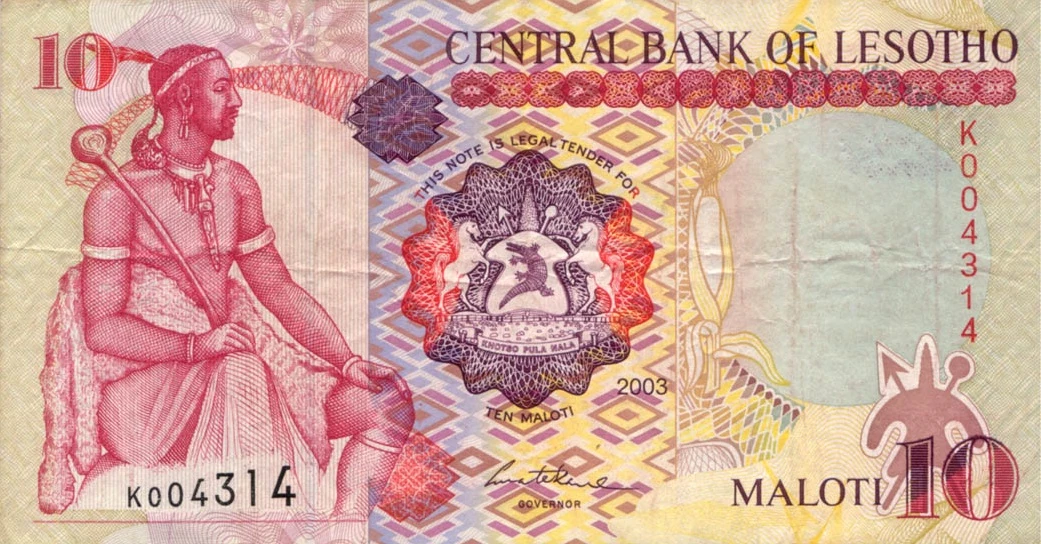
More imaginatively, some monetary units have geographical names, and refer either to their home country or to some notable feature therein. The loti of Lesotho, for instance, is named after the country’s Maloti Mountains. The Eritrean nakfa is named for the town of Nakfa that served as a based during the country’s fight for independence. And the kwanza, the unit of currency in four African countries, is thought to take its name from the River Cuanza that flows through Angola.
By far the most famous geographical name, however, is the dollar, which traces its name back to the tiny Bohemian spa town of Joachimstal, now in the Czech Republic: the high-quality silver that was mined there was once used to make coins known as joachimstaler, which quickly shorted to thaler, and finally ended up in the New World as dollar via the colonial Dutch and Spanish. Incidentally, because these early coins were originally quite weighty, the colonial dollar was nicknamed the gourde in the 18th century slang, a name derived from a French word meaning “stupid” or “dull”—it lives on in the name of the currency of Haiti.
By far the most famous geographical name, however, is the dollar, which traces its name back to the tiny Bohemian spa town of Joachimstal, now in the Czech Republic: the high-quality silver that was mined there was once used to make coins known as joachimstaler, which quickly shorted to thaler, and finally ended up in the New World as dollar via the colonial Dutch and Spanish. Incidentally, because these early coins were originally quite weighty, the colonial dollar was nicknamed the gourde in the 18th century slang, a name derived from a French word meaning “stupid” or “dull”—it lives on in the name of the currency of Haiti.
Like the dollar, some currencies take their names from their component metal or their means of manufacture. Ruble is thought to come from a Russian word meaning “to chop” or “hew,” possibly because the coins once had to be hewn from solid blocks of metal. The piaster or piastre—1/100th of an Egyptian, Lebanese, Sudanese or Syrian pound—takes its name from an Italian word, piastra, for a thin piece of metal. The Indian rupee, Indonesian rupiah, and Ethiopian birr all have names meaning “silver,” while the Kyrgyzstani and Uzbekistani som take their name from local words meaning “pure”, as in “pure gold”.
Stamps of royal authority are behind the names of the Czech koruna and all the various Scandinavian krones and krónas, all of which take their name from local words meaning “crown”. The Brazilian real, the Mauritanian ariary, and the rial of Iran, Yemen and Oman likewise mean “royal.”
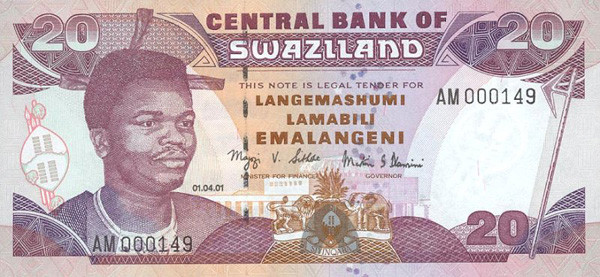
Many of the world’s krones and rials are stamped with crowns, and likewise some currencies take their names from the images that once decorated them. As well as the term sterling (literally a “little star”, a mark once stamped on pound-sterling coins) the Russian kopeck once bore a picture of a mounted knight, and derives from a Russian word meaning “lance”. The Hungarian forint (as well as the English and Dutch florin) derives from a coin once minted in Tuscany that was marked with a lily, and so was named for the Italian word for “little flower,” fiorino. The Bulagrian lev similarly means “lion,” and the Portuguese escudo (now replaced by the euro) means “shield”. Perhaps best of all in this category, however, is the Swaziland lilangeni, whose name simply means “a member of the royal family”.
Another currency replaced by the euro was the Greek drachma, whose name literally meant “handful”, or “as much as can be seized in one hand”. The dirham, used in both Morocco and the United Arab Emirates, is its etymological descendant. Along a similar path, the Georgian lari has a name literally meaning “hoard.” Former currencies are also name-checked in Ghana and the Pacific nation of Vanuatu, whose monetary units—the Ghanaian cedi and the Vanuatu vatu—mean “cowry shell” and “stone” respectively, both referring to items once used locally as money. (The cedi, incidentally, is divided into 100 pesewas, which literally means “a penny’s worth of gold dust”.) Similarly, the Guatemalan quetzal takes its name from the fact that the feathers of the tropical quetzal bird were also once so prized that they were used locally as money.
The lek also isn’t the only currency named in honour of someone. The Costa Rican colón, for instance, is named after Christopher Columbus. The Honduran lempira is said to take its name from a native local chief. The Tajikistani somoni is named in honour of the country’s founder, Ismail Samani, and the Venezuelan bolivar is named after Simón Bolívar.

Lastly, amongst the best of the world’s currency etymologies, are the dobra of São Tomé, which takes its name from a Portuguese word meaning “to fold” (which gives a whole new meaning to “folding money”), and the Zambian kwacha, which has a local Nyanja name meaning “dawn”—a reference to a former slogan of Zambian nationalism that promised a “new dawn of freedom.” In turn, it’s divided into 100 subunits called ngwee, which literally means “bright”.
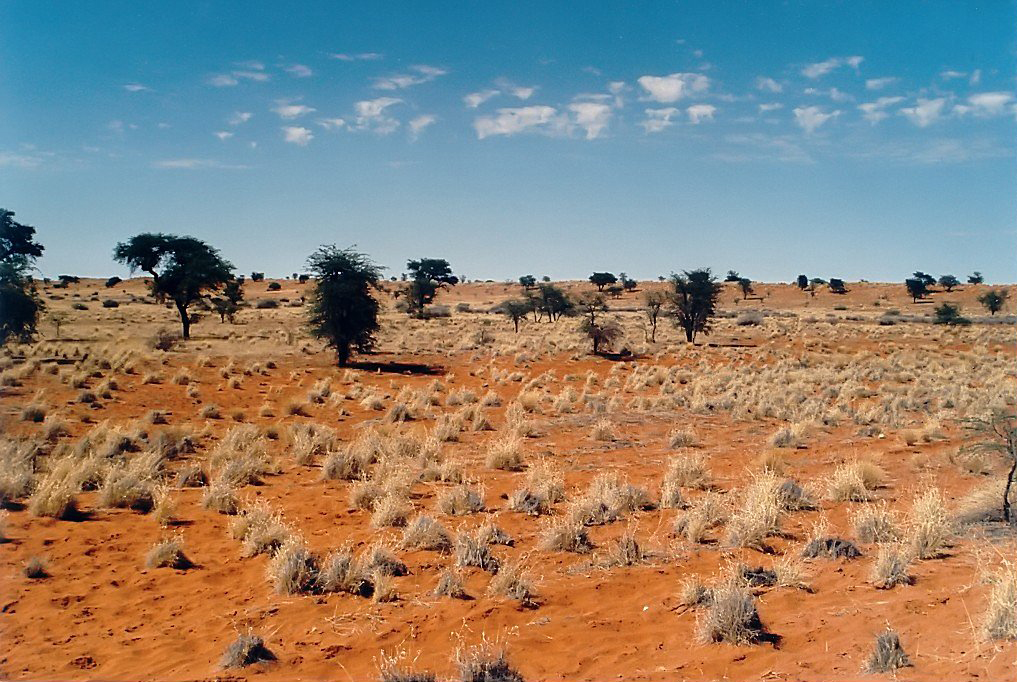
Best of all however, is the Botswana pula, whose name was chosen by a public contest and literally means “rain” in the local Setswana language—in a country in which the Kalahari Desert accounts for 70% of the available land, rain, it seems, is just as valuable as money.